
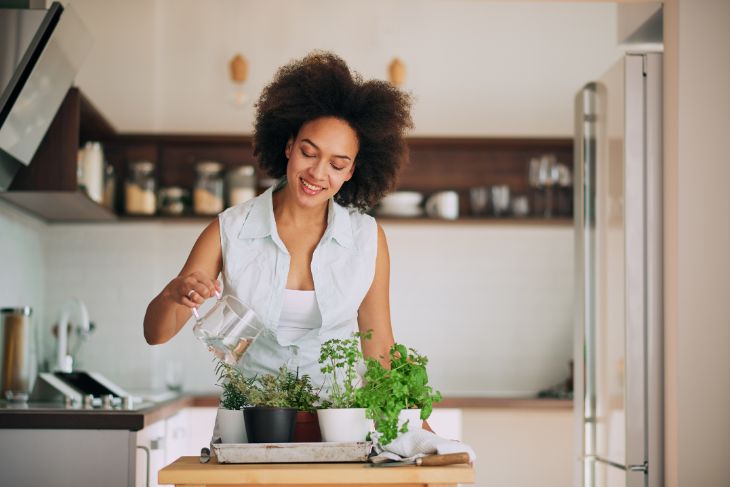
Don't let a small outdoor space crush your gardening dreams.
With a bit of creativity, you can transform even the smallest balcony, patio, or windowsill into a thriving green oasis.
Efficient use of space is key to a successful small garden, allowing you to grow a surprising variety of plants.
If you're ready to make the most of your compact area, continue reading for four practical tips for maximizing small space gardening.
1. Go Vertical
One of the most effective ways to expand your growing area is to think upwards. Vertical gardening utilizes structures like trellises, stacked planters, and wall-mounted containers to take advantage of unused vertical surfaces. This approach saves ground space and can create a stunning living wall.
Vining plants such as tomatoes, cucumbers, and pole beans are excellent candidates for trellises, while herbs and lettuces flourish in stacked or hanging planters.
By guiding your plants to grow vertically, you can dramatically increase your yield without expanding your garden's footprint.
2. Master Container Gardening
Container gardening offers incredible flexibility, making it perfect for small spaces. The key is to select the right containers and soil to meet your plants' needs. Ensure every pot has proper drainage holes to prevent waterlogging, which can lead to root rot.
When choosing a location, pay close attention to sunlight exposure, as different plants have varying light requirements.
With the right pot and a sunny spot, you can grow anything from vibrant flowers to dwarf fruit trees, all within the confines of a small patio or balcony.
3. Use Companion Planting
Companion planting is a smart strategy that involves placing mutually beneficial plants next to each other to enhance growth and deter pests. This technique allows you to pack more plants into a small area while creating a healthier, self-sustaining ecosystem.
For example, planting basil alongside tomatoes can improve the tomatoes' flavor and repel common pests. Similarly, marigolds are known to ward off nematodes in the soil, protecting neighboring vegetable roots.
By pairing the right plants, you can boost productivity and reduce the need for chemical pesticides, all while saving valuable space.
4. Explore Hydroponics
For those with extremely limited space or no access to soil, hydroponics is an innovative solution. This method involves growing plants in a nutrient-rich water solution instead of soil, allowing for a clean, controlled, and highly efficient setup.
A basic hydroponic system can be surprisingly compact, fitting neatly on a countertop or in a small corner.
These systems can accelerate plant growth and often produce higher yields than traditional soil gardening. There are different types of hydroponic systems to consider, from simple wick systems for beginners to more advanced drip systems, making it an accessible option for any aspiring indoor gardener.
Implementing these tips for maximizing small space gardening allows you to enjoy the rewards of growing your own plants, no matter how limited your space may be.
Start small, get creative, and watch your compact garden flourish.