
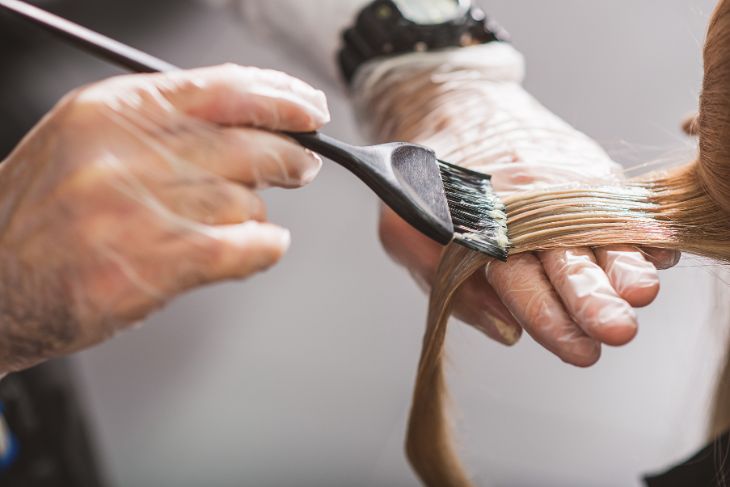
You finally booked that appointment.
You sat in the salon chair for hours, scrolled through your phone, and paid a decent chunk of your paycheck for that perfect balayage or vivid copper tone.
Now, the sun is shining, and your friends are texting you about a pool day. Before you grab your bikini, pause for a second.
That sparkling blue water might ruin your new look faster than you think.
Swimming right after coloring your hair poses real risks to your investment.
If you want to keep that color vibrant and your hair healthy without spending a fortune on color-correction treatments later, you must know the rules.
Read on to learn the truth about swimming with fresh hair dye.
Why Chlorine Wreaks Havoc on Fresh Color
Chemicals in swimming pools act as aggressive bleaching agents. Chlorine serves a sanitary purpose, but it does not distinguish between bacteria and your expensive hair dye. When you dive in, chlorine strips the natural oils (sebum) that protect your hair strands.
This process leaves your hair cuticles open and vulnerable. Once those cuticles lift, your color molecules escape, causing that fresh dye to fade rapidly.
For blondes, the reaction causes an even bigger problem. Oxidized metals in the water bind to the protein in your hair, creating that dreaded greenish tint.
The 72 Hour Rule
Patience saves your wallet here. Professional stylists almost universally agree on one timeframe: wait at least 72 hours before submerging your head.
During the coloring process, the hair cuticle expands to let the dye in. It takes roughly three days for that cuticle to fully close and trap the color molecule permanently.
If you introduce chlorinated water or saltwater before the cuticle seals, you effectively wash your money down the drain, or pool filter.
Smart Swimmer Strategies
You don’t have to avoid the water forever. Once your three-day waiting period ends, use these budget-friendly tricks to protect your locks:
- Rinse With Tap Water First: Dry hair acts like a sponge. If you soak it with clean tap water before you jump in, it absorbs less of the chlorinated water.
- Apply a Barrier: Coat your damp strands with a leave-in conditioner or a natural oil like coconut oil. This creates a hydrophobic shield between your hair and the chemicals.
- Wash Immediately After: Don’t let the pool water sit on your head. Rinse and shampoo as soon as you get out.
Pro Tip:
Use the pool shower that’s conveniently located near the pool so that you can follow through on these steps without fuss.
Understand Pool Water Chemistry
The water’s harshness often depends on how the pool owner maintains it. To keep the water safe for swimming, they add strong sanitizing agents.
Chemicals designed to prevent algae in your swimming pool often contain copper sulfates or high levels of chlorine that strip moisture aggressively.
If the pool smells overwhelmingly like chemicals, the balance is likely off. In these cases, your hair faces a higher risk of drying out and breaking. Saltwater pools offer a gentler alternative, but salt still dehydrates hair, so you should follow the same protection steps.
You can absolutely enjoy your summer lifestyle and rock fresh color simultaneously. It just takes a little preparation.
Treat your hair with the same care you treat your skin in the sun. A few preventative steps ensure your color stays brilliant, your hair stays soft, and you save money on emergency salon visits.
Now that you know the truth about swimming with freshly dyed hair, it’s up to you to maintain it.